DAILY YOGA · Agnistambhasana
Fire Log (Double Pigeon)
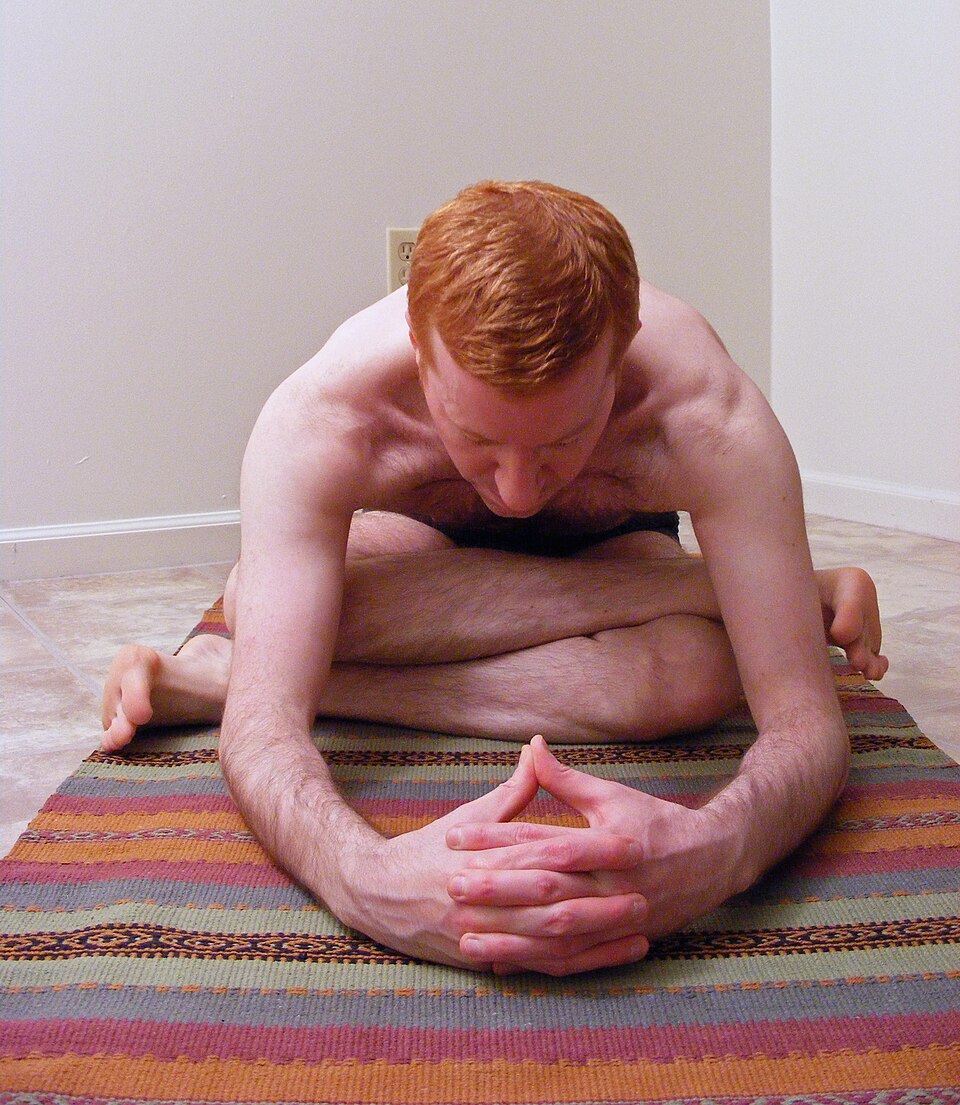
Agnistambhasana — Fire Log Pose, often called Double Pigeon — is a seated pose with the shins stacked one over the other like logs ready for a fire. It is one of the most effective (and intense) openers for the outer hips and glutes, and asks for patience and props.
Name meaning: From agni meaning "fire", stambha meaning "log/pillar", and āsana — the "fire-log posture", the stacked shins resembling logs laid for a fire. Also called Double Pigeon or Square Pose.
Classification: Asana — a seated deep outer-hip opener.
Tradition & origin: Fire Log is a modern deep hip-opener: it is not described in the medieval hatha texts and belongs to modern postural yoga, where deep seated hip openers like this became popular. Present it as a modern pose.
This guide was drafted with the help of AI and reviewed by us. It is for general education only and is not medical or professional advice. It may contain errors. Please practise mindfully, listen to your body, and consult a qualified yoga teacher or doctor for anything specific. Spotted an error? Tell us in the comments below.
How to do it — step by step
- 1Sit tall, ideally on a cushion, legs crossed.
- 2Stack the right shin directly on top of the left, ankles over knees.
- 3Flex both feet to protect the knees.
- 4If the top knee floats high, support it with a block.
- 5Sit tall for a gentler stretch, or fold forward from the hips to deepen.
- 6Breathe into the outer hips.
- 7Switch which shin is on top and repeat.
Breath & hold
Breathe slowly; hold 1–2 minutes each side, softening on each exhale.
Benefits
- ✓Deeply opens the outer hips and glutes.
- ✓Improves hip mobility for sitting and floor poses.
- ✓Calming when folded forward.
- ✓Relieves tension from prolonged sitting.
🪔 The traditional / desi way
- The stacked shins resemble logs laid for a fire (agni = fire, stambha = log/stack).
- Traditional cue: keep the feet flexed to protect the knees, and let the hips open slowly — support the top knee generously.
Common mistakes
- ✕Letting the feet sickle (not flexing), which strains the knees.
- ✕Forcing the top knee down.
- ✕Rounding the back to fold before the hips open.
Modifications & props
- 🧩Support the top knee with a block or cushion if it floats high.
- 🧩Keep the legs in a simple cross if stacking is too intense.
Muscles & anatomy
- 💪Deeply stretches the outer hips, glutes and external rotators of both legs at once.
- 💪The flexed feet protect the knees by keeping the ankles aligned.
- 💪The spine works to stay long rather than rounding.
What you may feel
- 🫧Normal: a strong, deep stretch across both outer hips and glutes.
- 🫧Warning sign: any pain or torque in the knees — flex the feet firmly, support the top knee, and ease off.
Variations to grow into
Fold gently forward from the hips, keeping the spine long, to deepen the outer-hip stretch.
Stack the shins fully parallel (top shin directly over the bottom) with a longer forward fold — for very open hips only.
Using props
- 🧱A cushion under the sitting bones to tilt the pelvis and lengthen the spine.
- 🧱A block or folded blanket under the top knee if it floats high.
Warm-up & counterpose
- Figure-4 stretches, Bound Angle and gentle hip circles to warm the hips.
- Straighten and shake out the legs; a gentle seated twist or forward fold.
Supporting exercises
Why: A knee-friendly way to open the same outer-hip muscles.
How: Lying on the back, cross one ankle over the opposite thigh and draw the legs in.
Why: Opens the hips and groins to prepare.
How: Sit with the soles together and the thighs supported.
Progression path
Start with the shins simply crossed and the hips lifted on a cushion; support the top knee; over time stack the shins more parallel and fold forward — never forcing the knees.
Who it suits — and who should modify
- ✓Practitioners with reasonably open hips wanting a deep outer-hip stretch.
- ✓Desk workers and anyone with tight outer hips and glutes (with support).
- ✓Those building toward deeper hip openers and seated postures.
- !Knee injury — the knees are vulnerable here; keep the feet flexed, support the top knee, or skip.
- !Tight hips — sit up on a cushion and stay with the shins simply crossed rather than stacked.
- !Recent hip or sacroiliac issues — keep it gentle and supported.
When to practise
Later in a practice once the hips are warm, or as a longer-held release.
A few times a week; hold up to a minute or two each side.
Traditional view vs. modern evidence
Shins stacked like logs for a fire; a deep, grounding opening of the hips.
Not found in the medieval texts; a modern deep hip-opener.
Valued as an intense outer-hip and glute stretch for tight hips.
Emotional-release and detox claims are not established.
Evidence at a glance
Fire Log stretches the outer hips, glutes and external rotators.
Consistent with anatomy; the target muscles are clearly lengthened.
It "releases trauma" or detoxifies the hips.
A popular claim without solid supporting evidence.
Myths vs. reality
✕ Myth: Push the top knee down to open the hip faster.
✓ Reality: Forcing the knee down torques the joint; let the hip release and support the knee on a block.
✕ Myth: It "releases stored emotions" from the hips.
✓ Reality: Deep hip openers can feel emotionally releasing, but the idea that hips store emotions is a metaphor, not an established mechanism.
⚠️ Cautions
- Knee injury — keep the shins in a simple cross (Sukhasana) instead; support the top knee with a block and never force it.
Frequently asked questions
My top knee is way up in the air — what do I do?
That is common with tight hips. Support it with a block or cushion; never push it down. It lowers gradually with practice.
Why flex the feet?
Flexing keeps the ankles aligned and protects the knees from torque, which is essential in this deep hip opener.
Key takeaways
- ⭐A deep outer-hip and glute stretch — shins stacked like fire logs.
- ⭐Keep the feet flexed to protect the knees; support the top knee on a block.
- ⭐Sit up on a cushion and never force the top knee down.
- ⭐A modern deep hip-opener, not a classical pose.
References
- Wikipedia — List of asanas (Agnistambhasana / Fire Log Pose) · Encyclopaedia, scholarly-sourced
- NCCIH — Yoga: What You Need To Know · Government health body (public domain)
Sources are provided for further reading; always consult a qualified teacher or clinician for personal guidance.
📝 Your private notes
Saved only on this device — jot down what helped.
💬 Improvements, corrections & suggestions
Found an error or have a better cue? Share it — practitioners help make each guide more accurate.
No comments yet — be the first to help improve this guide.