DAILY YOGA · Padmasana
Lotus Pose
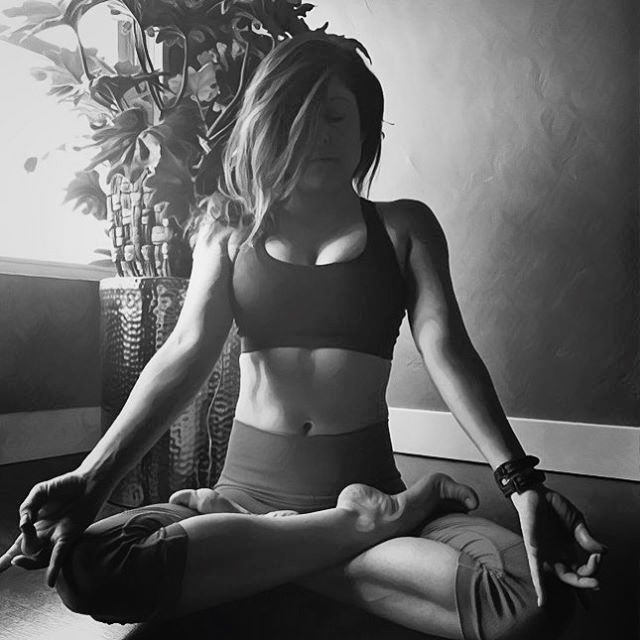
Padmasana — Lotus Pose — is the iconic cross-legged meditation seat, with each foot resting on the opposite thigh. It creates a stable, symmetrical base for long sitting and pranayama. It demands open hips, so it should be approached patiently and never forced.
Name meaning: From padma meaning "lotus" and āsana meaning "posture" or "seat" — the "lotus posture", named for the flower that roots in mud yet blooms unstained above the water.
Classification: Asana — a cross-legged seated meditation pose.
Tradition & origin: Lotus is genuinely ancient — one of the oldest documented postures. It is described among the asanas in the 8th-century Patanjalayogashastravivarana; a figure seated in lotus appears on coins of Chandragupta II (reigned c. 380–415 CE); and the 15th-century Hatha Yoga Pradipika praises it. It predates hatha yoga and is central to Hindu, Buddhist and Jain iconography.
This guide was drafted with the help of AI and reviewed by us. It is for general education only and is not medical or professional advice. It may contain errors. Please practise mindfully, listen to your body, and consult a qualified yoga teacher or doctor for anything specific. Spotted an error? Tell us in the comments below.
How to do it — step by step
- 1Sit tall on the floor, ideally on a cushion to lift the hips.
- 2Bend the right knee and place the right foot on the left thigh, sole up.
- 3Bend the left knee and place the left foot on the right thigh.
- 4Draw the knees toward each other and the heels toward the navel.
- 5Rest the hands on the knees in a mudra, palms up or down.
- 6Lengthen the spine, soften the shoulders, and settle the gaze inward.
Breath & hold
Breathe softly and naturally. Sit for as long as is comfortable, changing the crossing of the legs on another day for balance.
Benefits
- ✓Creates a stable, upright seat for meditation and breathwork.
- ✓Encourages a naturally tall spine.
- ✓Calms the mind through steadiness and symmetry.
- ✓Gently opens the hips and ankles over time.
🪔 The traditional / desi way
- The lotus (padma) grows from muddy water yet blooms unstained — a revered symbol of purity and spiritual awakening across Indian traditions.
- Depictions of meditating sages and deities almost always show this seat. Traditional teachers stress: the hips must open first — never sacrifice the knees for the shape.
Common mistakes
- ✕Forcing the foot up when the hip is not open — this strains the knee.
- ✕Rounding the spine after a few minutes.
- ✕Always crossing the same leg on top.
Modifications & props
- 🧩Half Lotus (Ardha Padmasana): one foot up, one foot below.
- 🧩Easy Pose (Sukhasana) on a cushion for everyday sitting.
- 🧩Sit on a higher cushion so the knees drop below the hips.
Muscles & anatomy
- 💪Requires large external rotation at the hip joints (around 115°) — the movement must come from the hips, not the knees.
- 💪Once settled, it needs little muscular effort, which is why it is prized for long, still sitting.
- 💪The spine's postural muscles keep the back tall and easy.
What you may feel
- 🫧Normal: a grounded, symmetrical, stable base and an easily upright spine.
- 🫧Warning sign: ANY knee pain — this means the hips are not ready; come out at once to protect the knee cartilage.
Variations to grow into
Baddha Padmasana (Bound Lotus): from full Lotus, reach each hand behind the back to hold the opposite foot — only for very open hips.
Advanced poses layer the Lotus legs into other shapes (e.g. lotus in headstand or shoulderstand) — for long-established practitioners only, and never by forcing the knees.
Using props
- 🧱A firm cushion or block under the sitting bones so the knees drop below the hips.
- 🧱Ardha Padmasana (Half Lotus) or Sukhasana as everyday, knee-safe seats.
Warm-up & counterpose
- Gentle hip openers (Bound Angle, figure-4) before sitting.
- Ankle circles to prepare the feet.
- Straighten the legs and gently shake them out; a light forward fold (Dandasana to a fold) releases the hips.
Supporting exercises
Why: Opens the hips into the external rotation Lotus needs.
How: Sit with soles together and let the knees ease down; hold 30–60 seconds, never forcing.
Why: Frees the hip so the knee is not asked to compensate.
How: Cross one ankle over the opposite thigh and draw the legs in gently; 30 seconds each side.
Progression path
Build hip openness first with Bound Angle and figure-4 stretches; sit in Sukhasana, then Half Lotus, and only attempt full Lotus once the hips rotate freely and the knees feel no strain. Never rush this.
Who it suits — and who should modify
- ✓Experienced sitters with genuinely open hips, for meditation and pranayama.
- ✓Most people are better served by Half Lotus or Easy Pose — equally valid for meditation.
- !Absolute caution: knee or ankle injury — do not attempt full Lotus; use Sukhasana or Ardha Padmasana.
- !Modify: tight hips — never force the foot up; open the hips first. Knee pain is a signal to stop immediately.
- !The pose is one of the most common causes of yoga knee injury when forced.
When to practise
For seated meditation or breathwork at any time; often used in the morning or evening for stillness.
As often as the hips allow, alternating which leg crosses on top.
Traditional view vs. modern evidence
The lotus rising unstained from mud symbolises growth toward enlightenment; the seat is emblematic of meditation across Hindu, Buddhist and Jain traditions.
Genuinely ancient — described in an 8th-century text, depicted on ~5th-century coins, and praised in the 15th-century Hatha Yoga Pradipika.
Valued as a stable meditation seat for those with open hips; widely cautioned as a knee-injury risk if forced.
Traditional organ-toning and disease claims are not scientifically established.
Evidence at a glance
Forcing the legs into Lotus can injure the knees.
Lotus is repeatedly identified as a common cause of yoga knee injury in adverse-event reviews (e.g. Cramer et al., PLOS ONE 2013).
A stable seated posture supports steady, comfortable meditation and breathing.
A stable base is broadly recognised as helpful for sustained sitting practice.
Lotus tones specific abdominal organs.
A traditional claim (e.g. from Iyengar) offered without supporting evidence; treat as tradition, not fact.
Myths vs. reality
✕ Myth: Full Lotus is the "correct" meditation seat.
✓ Reality: Any stable, comfortable, upright seat works. Half Lotus and Easy Pose give the same meditative benefit without risking the knees.
✕ Myth: Knee pain is just part of learning Lotus.
✓ Reality: Knee pain means the hips are not ready. Forcing it can tear the meniscus — a painful, slow-healing injury. Back off immediately.
⚠️ Cautions
- Knee or ankle injury — do NOT attempt full Lotus; use Sukhasana or Ardha Padmasana instead. Knee pain is a signal to back off immediately.
Frequently asked questions
I cannot get into Lotus — is that bad?
Not at all. Lotus needs very open hips. Half Lotus or Easy Pose give the same meditative benefits without knee strain.
My knee hurts — should I push through?
Never. Knee pain in Lotus means the hips are not ready. Come out and open the hips gradually with poses like Baddha Konasana.
Key takeaways
- ⭐A genuinely ancient, stable meditation seat — but only for genuinely open hips.
- ⭐Movement must come from the hips; ANY knee pain means stop.
- ⭐Half Lotus or Easy Pose give the same meditative benefit, knee-safe.
- ⭐Open the hips with Bound Angle and figure-4 before attempting the full pose.
References
- Wikipedia — Lotus position (history & effects, incl. injury data) · Encyclopaedia, scholarly-sourced
- Cramer et al. 2013, "Adverse Events Associated with Yoga", PLOS ONE · Peer-reviewed systematic review
Sources are provided for further reading; always consult a qualified teacher or clinician for personal guidance.
📝 Your private notes
Saved only on this device — jot down what helped.
💬 Improvements, corrections & suggestions
Found an error or have a better cue? Share it — practitioners help make each guide more accurate.
No comments yet — be the first to help improve this guide.