DAILY YOGA · Phalakasana
Plank Pose
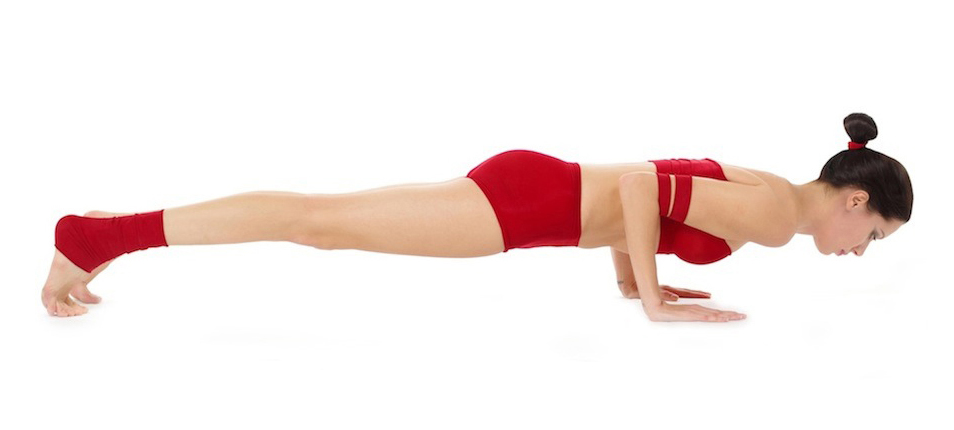
Phalakasana — Plank Pose — is a simple-looking but powerful posture that builds strength through the whole body, especially the core, shoulders and arms. Holding one straight, strong line teaches stability and stamina, and it is the foundation for many arm balances.
Name meaning: From phalaka meaning "plank" or "board" and āsana meaning "posture" — the "plank posture", the body held firm and even like a straight board.
Classification: Asana — a core and full-body strength/stability pose; the foundation for many arm balances.
Tradition & origin: Plank as a named yoga pose is modern: it belongs to contemporary yoga as exercise and vinyasa flow rather than the medieval hatha texts, though holding a straight-body position is an ancient and universal way to build strength. Present it as a modern strengthener.
This guide was drafted with the help of AI and reviewed by us. It is for general education only and is not medical or professional advice. It may contain errors. Please practise mindfully, listen to your body, and consult a qualified yoga teacher or doctor for anything specific. Spotted an error? Tell us in the comments below.
How to do it — step by step
- 1From hands and knees, place the wrists under the shoulders.
- 2Step the feet back so the body forms one straight line.
- 3Spread the fingers and press the whole hand down evenly.
- 4Draw the navel gently in and firm the thighs.
- 5Reach the heels back and the crown forward to lengthen.
- 6Keep the neck long, gaze slightly ahead of the hands.
Breath & hold
Breathe steadily — do not hold the breath. Hold 20–40 seconds and build up gradually.
Benefits
- ✓Strengthens the core, shoulders, arms and wrists.
- ✓Builds whole-body stability and stamina.
- ✓Improves posture by strengthening deep support muscles.
- ✓Prepares the body for arm balances and Chaturanga.
🪔 The traditional / desi way
- A "phalaka" is a plank or board — the pose trains the body to be as firm and even as a straight plank.
- Traditional focus is on steady breath under effort: strength held with calm, not clenched.
Common mistakes
- ✕Letting the hips sag toward the floor (strains the lower back).
- ✕Piking the hips too high.
- ✕Rounding or collapsing between the shoulder blades.
- ✕Holding the breath.
Modifications & props
- 🧩Drop the knees for a supported plank.
- 🧩Forearm plank to ease the wrists.
Muscles & anatomy
- 💪Working: the deep core (transversus abdominis and obliques), shoulders (serratus anterior, deltoids) and arms (triceps).
- 💪Stabilising: the glutes and quadriceps keep the hips level and the legs firm.
- 💪The wrists and forearms work to support the base.
What you may feel
- 🫧Normal: whole-body effort, especially in the core and shoulders, with steady breathing.
- 🫧Warning sign: lower-back sagging or wrist pain — drop the knees, lift the core, or move to forearms.
Variations to grow into
Shift the shoulders slightly forward of the wrists and lengthen the hold to build toward Chaturanga strength.
Side Plank (Vasisthasana) or a slow lower to Chaturanga Dandasana — greater strength and stability challenges.
Using props
- 🧱Forearms on the floor to remove wrist load.
- 🧱Knees down for a supported version while building strength.
Warm-up & counterpose
- Cat–Cow and wrist mobility.
- A few Down-Dog to plank shifts.
- Child's Pose (Balasana) or Downward Dog to release the shoulders and wrists.
Supporting exercises
Why: Builds core and shoulder strength with less load.
How: Hold a straight line from knees to crown for 20–30 seconds.
Why: Trains the deep core to keep the spine stable.
How: On the back, extend opposite arm and leg slowly, keeping the lower back down; 8–10 each side.
Progression path
Begin with forearm or knees-down plank, then full plank with a level line, gradually lengthening the hold; progress to Side Plank and Chaturanga as strength allows.
Who it suits — and who should modify
- ✓Beginners, starting with a knees-down or forearm version.
- ✓Most people building core, shoulder and arm strength.
- ✓Those preparing for Chaturanga and arm balances.
- !Modify: wrist injury or carpal tunnel — use forearm plank.
- !Modify: late pregnancy — take a knees-down or inclined version, or choose an alternative.
- !Relative caution: lower-back pain — keep the hips level and the core engaged; drop the knees if the back sags.
When to practise
Any time; a good strength element in the middle of a practice.
Safe most days; a few good-form holds build strength quickly.
Traditional view vs. modern evidence
Not a classical asana; the traditional emphasis in modern teaching is steady breath and calm under effort.
Not found in the medieval hatha texts; a modern yoga-as-exercise pose.
Valued as a foundational whole-body strengthener and a base for arm balances.
Beyond strength and stability, specific medical claims are limited.
Evidence at a glance
Plank builds core, shoulder and arm strength and trunk stability.
Isometric core-stability holds are well established in exercise science.
Core strengthening may help with some low-back issues.
General evidence supports core work for back health, though not this pose specifically.
Myths vs. reality
✕ Myth: The longer you hold a plank, the better.
✓ Reality: Form matters far more than duration; a shorter, well-aligned hold beats a long, sagging one.
✕ Myth: Plank is an ancient yoga asana.
✓ Reality: It is a modern pose in yoga as exercise; the medieval texts do not describe it, though straight-body strength holds are universal.
⚠️ Cautions
- Wrist injury or carpal tunnel — try forearm plank instead. Late pregnancy — modify or choose an alternative.
Frequently asked questions
How long should I hold a plank?
Beginners: 15–30 seconds with good form. Quality of alignment matters far more than duration.
My wrists hurt — what can I do?
Spread the fingers and press through the whole hand, or move to a forearm plank to take pressure off the wrists.
Key takeaways
- ⭐A foundational whole-body strengthener for the core, shoulders and arms.
- ⭐Hold one straight line — form beats duration.
- ⭐A modern pose, not a classical asana.
- ⭐Use forearms or knees-down to modify for wrists, back or pregnancy.
References
- NCCIH — Yoga: What You Need To Know · Government health body (public domain)
- Wikipedia — Phalakasana · Encyclopaedia, scholarly-sourced
Sources are provided for further reading; always consult a qualified teacher or clinician for personal guidance.
📝 Your private notes
Saved only on this device — jot down what helped.
💬 Improvements, corrections & suggestions
Found an error or have a better cue? Share it — practitioners help make each guide more accurate.
No comments yet — be the first to help improve this guide.