DAILY YOGA · Rajakapotasana
King Pigeon (backbend)
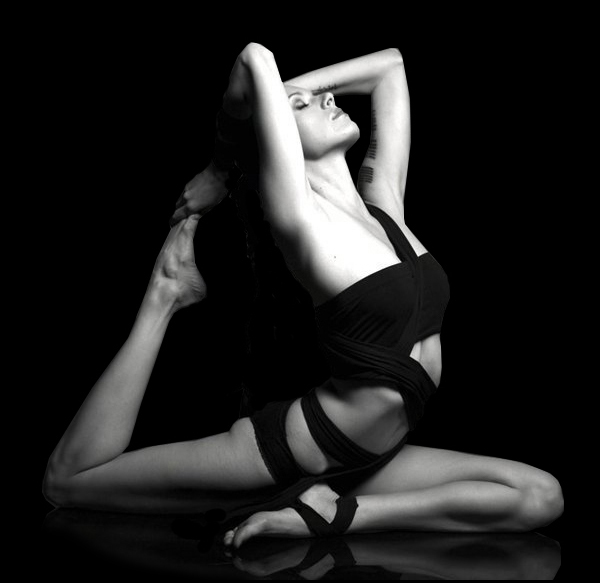
Rajakapotasana — King Pigeon Pose (full backbend form) — is a deep, advanced backbend where, from a kneeling base, you arch back and reach the hands toward the feet, sometimes catching a lifted foot toward the head. It powerfully opens the whole front body and demands warm, mobile shoulders and spine.
Name meaning: From rāja meaning "king", kapota meaning "pigeon", and āsana — the "king pigeon posture". The lifted, puffed chest of the deep backbend recalls a proud pigeon.
Classification: Asana — an advanced kneeling deep backbend and hip/shoulder opener.
Tradition & origin: King Pigeon (the deep backbend, distinct from the Pigeon hip-opener) is modern: it is a 20th-century pose (Iyengar's Light on Yoga), not found in the medieval hatha texts. Present it as modern postural yoga.
This guide was drafted with the help of AI and reviewed by us. It is for general education only and is not medical or professional advice. It may contain errors. Please practise mindfully, listen to your body, and consult a qualified yoga teacher or doctor for anything specific. Spotted an error? Tell us in the comments below.
How to do it — step by step
- 1Kneel and warm up the spine and hip flexors thoroughly.
- 2Bring the hands to the lower back and lift the chest.
- 3Begin to arch back, pressing the hips forward over the knees.
- 4Reach the hands back toward the heels or the floor.
- 5Advanced: bend the knees and reach the feet toward the head, catching them.
- 6Keep the neck long and the breath steady throughout.
- 7Come out slowly, leading with the chest lifting.
Breath & hold
Breathe steadily throughout; hold only briefly and build up. Rest afterward.
Benefits
- ✓Deeply opens the chest, shoulders, abdomen and hip flexors.
- ✓Strengthens the back.
- ✓Energising and heart-opening.
- ✓Improves deep spinal extension.
🪔 The traditional / desi way
- The "king pigeon" puffs its chest with regal pride — the full backbend lifts the heart dramatically skyward.
- Traditional wisdom: this is an advanced pose. Warm up with Camel, Bow and Bridge, and open the shoulders first — never force a deep backbend cold.
Common mistakes
- ✕Attempting the deep form without warming up.
- ✕Crunching the lower back and neck.
- ✕Forcing the foot-to-head catch before the backbend is open.
Modifications & props
- 🧩Practise Camel Pose (Ustrasana) as an accessible alternative.
- 🧩Keep the hands on the lower back and only arch a little.
Muscles & anatomy
- 💪Deeply stretches the hip flexors, abdomen, chest and shoulders.
- 💪The back muscles work strongly to hold the deep arch.
- 💪Requires open shoulders and a very mobile spine.
What you may feel
- 🫧Normal: a deep, intense opening through the front body and a strong back engagement.
- 🫧Warning sign: any lower-back or neck pinch — ease out and open more gradually; never crunch the low back.
Variations to grow into
Keep the hands on the lower back and arch only a little, like a gentle Camel, before reaching for the feet.
The full foot-to-head backbend, drawing the feet toward the crown — for very open, experienced practitioners with guidance.
Using props
- 🧱A wall or chair for the hands while learning the arch.
- 🧱A strap to the feet when working toward the full clasp.
Warm-up & counterpose
- Thorough backbend and shoulder preparation — Camel, Bridge, Bow, shoulder openers.
- A gentle forward fold (Child's Pose) and a reclined twist to release the spine.
Supporting exercises
Why: An accessible backbend to open the front body.
How: Kneel and arch back, hands to heels or lower back.
Why: Build the deep backbend the pose needs.
How: Practise these over months to open the spine and shoulders.
Progression path
Open the backbend and shoulders with Camel, Bridge, Bow and Wheel over months; approach the full foot-to-head version last, slowly and with guidance.
Who it suits — and who should modify
- ✓Advanced practitioners with deep, open backbends and shoulders.
- ✓Those with a warm, mobile spine and open hip flexors.
- ✓People building patiently toward foot-to-head backbends.
- !Back, neck or shoulder injury — build openness first or skip.
- !Disc issues — deep backbends may aggravate; choose gentler options.
- !Beginners — start with Camel, Bridge and Bow over months.
When to practise
In the strongest, warmest part of a practice, after thorough backbend preparation.
Occasionally, for experienced practitioners; build over months.
Traditional view vs. modern evidence
The proud king pigeon; a lifted, radiant heart in a deep arch.
Not in the medieval texts; a 20th-century pose (Light on Yoga).
Valued as an advanced backbend and deep front-body opener.
Chakra and trauma-release claims are not established.
Evidence at a glance
The pose deeply stretches the hip flexors, chest and shoulders and strengthens the back.
Consistent with anatomy for a deep backbend.
It heals the heart chakra or releases trauma.
Symbolic claims without supporting evidence.
Myths vs. reality
✕ Myth: King Pigeon "opens the heart chakra" and releases trauma.
✓ Reality: Deep backbends can feel emotionally uplifting, but chakra/trauma claims are symbolic, not established mechanisms.
✕ Myth: It is the same as the common Pigeon stretch.
✓ Reality: No — the common Pigeon is a forward-folding hip opener; this is a deep kneeling backbend.
⚠️ Cautions
- Back, neck, or shoulder injury, high/low blood pressure, or pregnancy — avoid. Advanced backbend; learn with a teacher and build up over a long time.
Frequently asked questions
How do I work toward King Pigeon?
Build backbend openness (Camel, Bridge, Bow, Wheel) and shoulder mobility over months. The full foot-to-head version comes much later, with guidance.
Is this the same as the Pigeon hip-opener?
No — the common "Pigeon" is a forward-folding hip opener. This Rajakapotasana is a deep kneeling backbend.
Key takeaways
- ⭐A deep kneeling backbend and front-body opener — distinct from the Pigeon hip-opener.
- ⭐Build Camel, Bridge, Bow and Wheel over months first.
- ⭐Never crunch the low back; ease out at any pinch.
- ⭐A modern, advanced pose (Light on Yoga).
References
- Wikipedia — Eka Pada Rajakapotasana (King Pigeon backbend, origins) · Encyclopaedia, scholarly-sourced
- NCCIH — Yoga: What You Need To Know · Government health body (public domain)
Sources are provided for further reading; always consult a qualified teacher or clinician for personal guidance.
📝 Your private notes
Saved only on this device — jot down what helped.
💬 Improvements, corrections & suggestions
Found an error or have a better cue? Share it — practitioners help make each guide more accurate.
No comments yet — be the first to help improve this guide.