DAILY YOGA · Sukhasana
Easy Pose
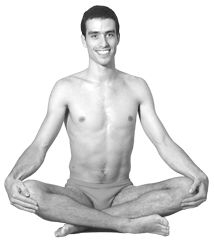
Sukhasana — Easy Pose — is the simple, comfortable cross-legged seat used for meditation and breathing. "Sukha" means ease or comfort, and that is exactly the point: a sustainable, upright seat that anyone can use, without the demands of Lotus.
Name meaning: From sukha meaning "ease", "comfort" or "pleasure" and āsana meaning "posture" or "seat" — the "easy" or "comfortable posture", a simple cross-legged seat.
Classification: Asana — a simple cross-legged seated meditation pose.
Tradition & origin: A comfortable cross-legged seat is genuinely old: Sukhasana is described and illustrated in the 19th-century Sritattvanidhi, and the broader idea of a comfortable meditation seat (Yogasana) appears in much older sources such as the 4th-century Darshana Upanishad. It is best presented as a traditional, accessible meditation seat.
This guide was drafted with the help of AI and reviewed by us. It is for general education only and is not medical or professional advice. It may contain errors. Please practise mindfully, listen to your body, and consult a qualified yoga teacher or doctor for anything specific. Spotted an error? Tell us in the comments below.
How to do it — step by step
- 1Sit on the front edge of a cushion or folded blanket.
- 2Cross the shins comfortably, each foot under the opposite knee.
- 3Let the knees settle toward the floor (below hip height).
- 4Stack the spine tall: hips, ribs and head in a gentle line.
- 5Rest the hands on the knees or in the lap.
- 6Soften the shoulders, jaw and face; settle the breath.
Breath & hold
Breathe naturally. Sit as long as is comfortable; switch which shin is in front on different days.
Benefits
- ✓A comfortable, sustainable seat for meditation and pranayama.
- ✓Encourages an upright, easeful spine.
- ✓Gently opens the hips and outer thighs.
- ✓Calms the mind through stillness.
🪔 The traditional / desi way
- The everyday floor-sitting posture of India — used for meals, prayer and conversation for centuries, which is why it feels so natural to so many.
- Traditional wisdom: comfort first. A seat you can hold with ease is worth more for meditation than an impressive but strained one.
Common mistakes
- ✕Sitting flat on the floor so the pelvis tips back and the spine rounds.
- ✕Forcing the knees down.
Modifications & props
- 🧩Sit on a higher cushion or bolster.
- 🧩Support each knee with a block or rolled blanket.
- 🧩Sit in a chair with feet flat if the floor is not comfortable.
Muscles & anatomy
- 💪The postural muscles of the back gently hold the spine tall.
- 💪The hips rest in a mild external rotation; sitting up on a cushion lets the pelvis tilt slightly forward.
- 💪The aim is a stable, low-effort seat — comfort over intensity.
What you may feel
- 🫧Normal: a settled, grounded ease and a naturally tall spine.
- 🫧Warning sign: knee pain or numb legs — raise the seat, support the knees, or move to a chair.
Variations to grow into
Sit for longer, or add a hand mudra and steady breath practice, keeping the spine easily tall.
Progress toward Half Lotus (Ardha Padmasana) only if the hips open comfortably — never at the expense of the knees.
Using props
- 🧱A firm cushion, bolster or folded blanket to lift the hips above the knees.
- 🧱Blocks or rolled blankets under the knees; a chair if floor-sitting is uncomfortable.
Warm-up & counterpose
- None needed; gentle hip openers help if the knees feel tight.
- Straighten and shake out the legs; a gentle forward fold releases the hips.
Supporting exercises
Why: Lets the knees ease down so the seat is comfortable.
How: Bound Angle or figure-4 stretches for 30–60 seconds.
Why: Trains an easy, tall spine.
How: Sit on a cushion and gently stack ribs over hips and head over shoulders for a few breaths.
Progression path
Start sitting on a firm cushion with supported knees; over time you may need less lift as the hips open. There is nothing to "achieve" — a comfortable, upright seat is the whole point.
Who it suits — and who should modify
- ✓Everyone — the most accessible seated posture for meditation and breathwork.
- ✓Beginners and anyone whose hips are not open enough for Lotus.
- ✓Those wanting a comfortable, sustainable seat for stillness.
- !Modify: knee or hip discomfort — sit higher on a cushion, support the knees, or use a chair.
- !If the back rounds or the legs go numb, change the height or take a chair.
- !No specific contraindications for a supported, comfortable seat.
When to practise
Any time for meditation, pranayama or quiet sitting; often at the start or end of a practice.
Daily and as long as it stays comfortable; swap which shin is in front on different days.
Traditional view vs. modern evidence
A simple, comfortable seat (sukha = ease) for turning the attention inward.
An old, accessible meditation seat — in the 19th-century Sritattvanidhi, with the broader idea in much older sources.
Valued as the most accessible, sustainable seat for meditation and breathwork.
Traditional energy-flow claims are not scientifically established.
Evidence at a glance
A stable, comfortable seated posture supports steady meditation and breathing.
A comfortable base is widely recognised as helpful for sustained sitting practice.
Sitting cross-legged "improves energy flow" or cures ailments.
A traditional framing; not established as a specific physiological effect.
Myths vs. reality
✕ Myth: You must sit in Lotus to meditate properly.
✓ Reality: A comfortable, upright seat is what matters. Easy Pose (or a chair) gives the same meditative benefit without knee strain.
✕ Myth: Sitting cross-legged on the floor is bad for you.
✓ Reality: For most people a supported cross-legged seat is fine; simply raise the hips and support the knees for comfort.
⚠️ Cautions
- Knee or hip discomfort — sit higher on a cushion or against a wall, or use a chair.
Frequently asked questions
Why do I slouch after a while?
Usually the hips are lower than the knees. Sit on a firmer, higher cushion so the pelvis can tilt slightly forward and the spine stacks easily.
Is Easy Pose good enough for meditation?
Absolutely. A comfortable, upright seat is ideal — no need for Lotus.
Key takeaways
- ⭐The most accessible seated posture for meditation and breathwork.
- ⭐Sit up on a cushion so the hips are above the knees and the spine stacks easily.
- ⭐A traditional, comfortable meditation seat — no need for Lotus.
- ⭐Support the knees or use a chair for comfort.
References
- Wikipedia — Lotus position (covers Sukhasana history) · Encyclopaedia, scholarly-sourced
- NCCIH — Yoga: What You Need To Know · Government health body (public domain)
Sources are provided for further reading; always consult a qualified teacher or clinician for personal guidance.
📝 Your private notes
Saved only on this device — jot down what helped.
💬 Improvements, corrections & suggestions
Found an error or have a better cue? Share it — practitioners help make each guide more accurate.
No comments yet — be the first to help improve this guide.