DAILY YOGA · Viparita Karani
Legs-up-the-Wall
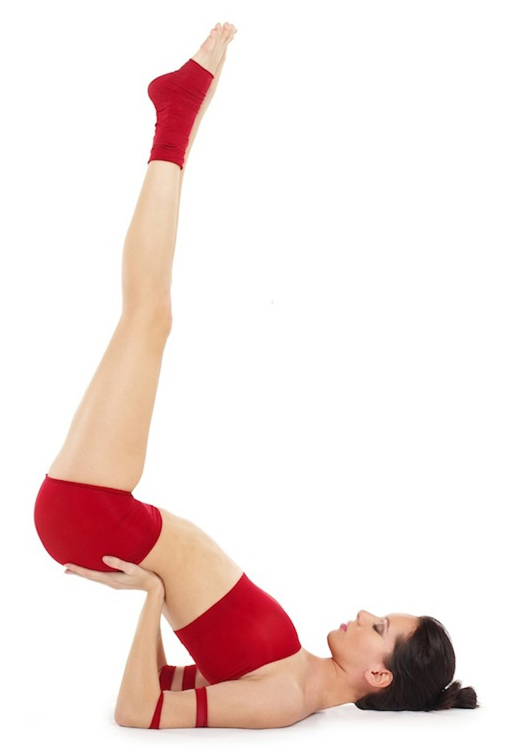
Viparita Karani — Legs-up-the-Wall — is the gentlest inversion in yoga and one of the most restful poses of all. Lying with the legs resting up a wall, it quietly reverses the flow of the day, soothes tired legs, and calms the mind with almost no effort.
Name meaning: From viparīta meaning "inverted" or "reversed" and karaṇī meaning "a particular practice" — the "inverted-action practice". In modern teaching it is simply called Legs-up-the-Wall.
Classification: Both an asana and a mudra in hatha yoga; in modern practice, a gentle, fully supported restorative inversion.
Tradition & origin: Viparita Karani is genuinely classical — as a mudra (energy-directing practice) it is described in the 13th-century Vivekamartanda and listed in the Hatha Yoga Pradipika (III.7), where its traditional purpose was to reverse, using gravity, the downward flow of a vital substance (bindu) thought to be lost from the head. The gentle Legs-up-the-Wall form is the modern, restful expression of that old inversion.
This guide was drafted with the help of AI and reviewed by us. It is for general education only and is not medical or professional advice. It may contain errors. Please practise mindfully, listen to your body, and consult a qualified yoga teacher or doctor for anything specific. Spotted an error? Tell us in the comments below.
How to do it — step by step
- 1Sit sideways with one hip touching the wall.
- 2Swing the legs up the wall as you lie back onto the floor.
- 3Shuffle the sit bones close to (or a few inches from) the wall.
- 4Let the legs rest up the wall, relaxed and softly together.
- 5Rest the arms out to the sides, palms up.
- 6Close the eyes, soften the belly, and breathe slowly.
- 7To come out, bend the knees and roll gently to one side.
Breath & hold
Breathe slowly and naturally. Rest here 5–15 minutes — as long as it feels soothing.
Benefits
- ✓Deeply relaxes the body and calms the mind.
- ✓Relieves tired, heavy or swollen legs and feet.
- ✓A gentle inversion suitable for almost everyone.
- ✓Can support better sleep when done before bed.
🪔 The traditional / desi way
- The name means "inverted action" — reversing the usual downward pull is said to refresh the body and settle restless energy.
- A traditional restorative favourite: little effort, great calm — often used to end a practice or to unwind in the evening.
Common mistakes
- ✕Forcing the hips right against the wall when the hamstrings are tight (move a little away).
- ✕Tensing the legs instead of letting them rest.
Modifications & props
- 🧩Place a folded blanket or bolster under the hips for a gentle lift.
- 🧩Move the hips a few inches from the wall if the hamstrings feel tight.
- 🧩Bend the knees and rest the soles on the wall for an easier version.
Muscles & anatomy
- 💪The aim is release, not effort — the legs rest passively up the wall.
- 💪Supporting the hips (with a blanket) lets the lower back and legs fully let go.
- 💪Elevating the legs can help fluid drain from tired legs via gravity.
What you may feel
- 🫧Normal: a heavy, relaxed feeling in the legs, a settling breath, and deep calm.
- 🫧Warning sign: tingling or numb legs (ease the angle), lower-back ache (move the hips away), or eye pressure — come out gently.
Variations to grow into
Add a bolster or folded blankets under the hips for a slightly more inverted, supported lift.
Let the legs fall open into a wall-supported butterfly (soles together) or a gentle straddle for a soft hip opening while you rest.
Using props
- 🧱A wall to rest the legs against.
- 🧱A folded blanket or bolster under the hips for a gentle lift; an eye pillow to deepen the rest.
Warm-up & counterpose
- None — it is a restful pose in itself.
- Bend the knees and roll gently to one side, then rest before sitting up.
- A brief Shavasana to integrate the calm.
Supporting exercises
Why: Deepens the calming effect of the pose.
How: Rest with the legs up and watch the breath slow for several minutes.
Why: Helps ease tired legs into the rest.
How: Point and flex the feet several times once the legs are up.
Progression path
Simply rest longer as it becomes comfortable; add hip support or a wall-butterfly variation for a little more opening, always keeping it effortless.
Who it suits — and who should modify
- ✓Almost everyone — the gentlest inversion, suitable for most beginners.
- ✓Anyone with tired, heavy or swollen legs.
- ✓Those seeking deep rest, stress relief or better sleep.
- !Relative caution: glaucoma or other raised-eye-pressure conditions — check with a clinician.
- !Modify: late pregnancy — a supported, side-leaning or reclined-butterfly version may suit better; ask a professional.
- !If the lower back complains, move the hips a little away from the wall.
When to practise
Wonderful in the evening to unwind and before sleep; also a soothing way to end any practice.
Daily and as often as you like; there is no limit on gentle rest.
Traditional view vs. modern evidence
An "inverted-action" mudra said to reverse the loss of vital energy from the head using gravity.
Genuinely classical — Vivekamartanda (13th century) and Hatha Yoga Pradipika III.7, as a mudra.
Used as a gentle restorative inversion for rest, calm and tired legs.
Detox and cure claims are not established.
Evidence at a glance
Restful, supported inversion with slow breathing supports relaxation and can relieve tired legs.
Consistent with relaxation-response evidence and the effect of leg elevation on venous/lymphatic return.
It cures disease or "detoxes" the body.
No solid evidence; enjoy it as rest and leg relief.
Myths vs. reality
✕ Myth: Legs-up-the-Wall drains toxins from the body.
✓ Reality: It can help fluid return from tired legs via gravity, but it does not "detox" the body; the calming effect is the real benefit.
✕ Myth: It is not a real inversion, so it does nothing.
✓ Reality: It is a gentle inversion that offers real rest and relief without the neck load of Headstand or Shoulderstand.
⚠️ Cautions
- Glaucoma or certain eye conditions, and late pregnancy — check with a professional. If the lower back complains, move the hips further from the wall.
Frequently asked questions
Is this really an inversion?
Yes — a very gentle one. It offers many calming benefits of inversions without the effort or neck load of Headstand or Shoulderstand.
How long can I stay?
Anywhere from 5 to 15 minutes. It is a lovely way to rest and reset, especially before sleep.
Key takeaways
- ⭐The gentlest inversion — deeply restful and suitable for almost everyone.
- ⭐Rest the legs up a wall, support the hips, and simply breathe for 5–15 minutes.
- ⭐Genuinely classical as the mudra Viparita Karani (13th–15th century).
- ⭐A safe alternative to Headstand/Shoulderstand for calming, leg-relieving effects.
References
- Wikipedia — Viparita Karani (etymology, origins & benefits) · Encyclopaedia, scholarly-sourced
- NCCIH — Yoga: What You Need To Know · Government health body (public domain)
Sources are provided for further reading; always consult a qualified teacher or clinician for personal guidance.
📝 Your private notes
Saved only on this device — jot down what helped.
💬 Improvements, corrections & suggestions
Found an error or have a better cue? Share it — practitioners help make each guide more accurate.
No comments yet — be the first to help improve this guide.