DAILY YOGA · Virasana
Hero Pose
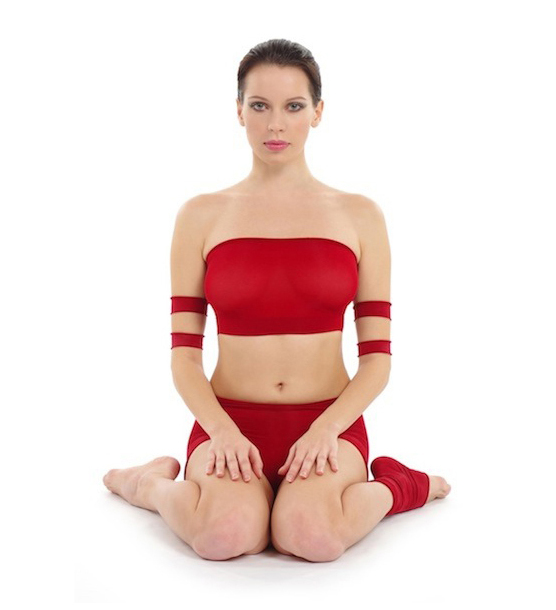
Virasana — Hero Pose — is a kneeling seat with the hips resting between the heels. It creates a tall, stable base for breathing and meditation while gently stretching the thighs, knees and ankles. With support, it is comfortable for long sitting.
Name meaning: From vīra meaning "hero" and āsana meaning "posture/seat" — "Hero's posture". A dignified, upright seat named for a warrior's poise.
Classification: Asana — a kneeling seat (a meditation seat and a thigh/ankle stretch).
Tradition & origin: A genuine "name-shift" case: the name Virasana is ancient (found in the 8th-century Pātañjalayogaśāstravivaraṇa and the 13th-century Vasishtha Samhita) but those texts describe a CROSS-LEGGED meditation seat. The modern kneeling Hero Pose is 20th-century (Iyengar's Light on Yoga); a similar reclining form appears in Niels Bukh's early-20th-century gymnastics and Kuvalayananda's 1920s system. So the name is old; this kneeling shape is modern.
This guide was drafted with the help of AI and reviewed by us. It is for general education only and is not medical or professional advice. It may contain errors. Please practise mindfully, listen to your body, and consult a qualified yoga teacher or doctor for anything specific. Spotted an error? Tell us in the comments below.
How to do it — step by step
- 1Kneel with the knees together and the feet slightly wider than the hips.
- 2Point the feet straight back, tops of the feet on the floor.
- 3Sit the hips down between the heels (on a block/cushion if needed).
- 4Lengthen the spine tall and rest the hands on the thighs.
- 5Roll the shoulders back and soften the face.
- 6Breathe slowly and settle.
Breath & hold
Breathe naturally. Sit for a few minutes to as long as is comfortable.
Benefits
- ✓Stretches the thighs, knees and ankles.
- ✓Creates a stable seat for breathing and meditation.
- ✓Improves posture.
- ✓A traditional alternative to cross-legged sitting.
🪔 The traditional / desi way
- Virasana — the "hero" or "warrior" seat — a dignified, upright posture used for meditation and pranayama.
- Traditional cue: if the hips do not reach the floor comfortably, sit on a block — the tall spine matters more than a low seat.
Common mistakes
- ✕Forcing the hips down when the knees or ankles protest.
- ✕Letting the feet splay out to the sides (keep them pointing back).
Modifications & props
- 🧩Sit on a block or bolster placed between the feet.
- 🧩Roll a towel under the ankles if they feel strained.
Muscles & anatomy
- 💪Stretches the quadriceps, the fronts of the ankles and shins, and the knees' surrounding tissues.
- 💪The back muscles hold the spine tall for an upright seat.
- 💪Adequate hip and knee mobility is needed to sit back comfortably (use support).
What you may feel
- 🫧Normal: a stretch across the tops of the thighs and ankles, easing as you settle onto support.
- 🫧Warning sign: any knee pain or pinching — sit up higher immediately, or come out. Never force the seat down.
Variations to grow into
Lower the support over time until the hips rest between the heels, keeping the knees comfortable.
Supta Virasana (reclining Hero) — lie back over a bolster, then lower toward the floor — a deep quad and ankle stretch for open knees only.
Using props
- 🧱A block or cushion between the feet to sit on, reducing knee bend.
- 🧱A rolled towel under the ankles; a bolster behind for the reclining version.
Warm-up & counterpose
- Gentle kneeling and ankle stretches; a few Thunderbolt holds.
- Straighten the legs and shake them out; a gentle forward fold or Downward Dog.
Supporting exercises
Why: A gentler kneeling seat to build knee and ankle comfort.
How: Kneel and sit back on the heels, spine tall.
Why: Lengthens the thighs the pose stretches.
How: Standing, hold one foot to the seat; 30 seconds each side.
Progression path
Begin sitting high on a block with a towel under the ankles; lower the support gradually as the thighs and ankles open; explore reclining Hero last, always protecting the knees.
Who it suits — and who should modify
- ✓Most people, sitting up on a block or cushion between the feet.
- ✓Those wanting a stable meditation seat that stretches the thighs and ankles.
- ✓One of the few poses comfortable soon after eating (upright form).
- !Knee injury — the pose places the knees at risk; sit up higher on support, and skip it entirely with any existing knee injury.
- !Ankle pain — roll a towel under the ankles or place a cushion under the shins.
- !The reclining form (Supta Virasana) is much stronger — approach it slowly and only if the knees are happy.
When to practise
Any time; a good upright seat for breathing or meditation, and fine soon after a meal.
Daily is fine in the upright form; build the reclining version gradually.
Traditional view vs. modern evidence
The hero's dignified seat; a steady posture for breathing and meditation.
The name is ancient (8th–13th-century texts) but denoted a cross-legged seat; the kneeling form is modern.
Valued as a kneeling meditation seat and a quad/ankle stretch; usable soon after eating.
Specific curative claims are not established.
Evidence at a glance
The pose stretches the quadriceps and ankles and offers a stable upright seat.
Consistent with anatomy; the target tissues are clearly lengthened.
It cures varicose veins or digestive disease.
Traditional-style claims without solid supporting evidence.
Myths vs. reality
✕ Myth: You must sit flat between your heels to "do it properly".
✓ Reality: Sitting up on a block is a full expression for most bodies; forcing the hips down risks the knees.
✕ Myth: Virasana is an ancient kneeling meditation pose.
✓ Reality: The name is ancient, but it described a cross-legged seat; this kneeling form is 20th-century.
⚠️ Cautions
- Knee or ankle injury — always sit on a block/cushion, or choose another seat. Never force the knees.
Frequently asked questions
My knees hurt in Hero Pose — what do I do?
Sit up higher on a block so there is less bend in the knees, and come out if there is any sharp pain. Never force it.
Hero vs Thunderbolt (Vajrasana)?
In Vajrasana you sit on the heels; in Virasana the hips settle between the heels (usually on a support), giving a deeper thigh stretch.
Key takeaways
- ⭐A kneeling meditation seat that stretches the thighs and ankles.
- ⭐Sit up on a block to protect the knees; skip it with a knee injury.
- ⭐The name is ancient (a cross-legged seat); this kneeling form is modern.
- ⭐One of the few poses comfortable soon after eating (upright form).
References
- Wikipedia — Virasana (ancient name vs modern kneeling form) · Encyclopaedia, scholarly-sourced
- NCCIH — Yoga: What You Need To Know · Government health body (public domain)
Sources are provided for further reading; always consult a qualified teacher or clinician for personal guidance.
📝 Your private notes
Saved only on this device — jot down what helped.
💬 Improvements, corrections & suggestions
Found an error or have a better cue? Share it — practitioners help make each guide more accurate.
No comments yet — be the first to help improve this guide.